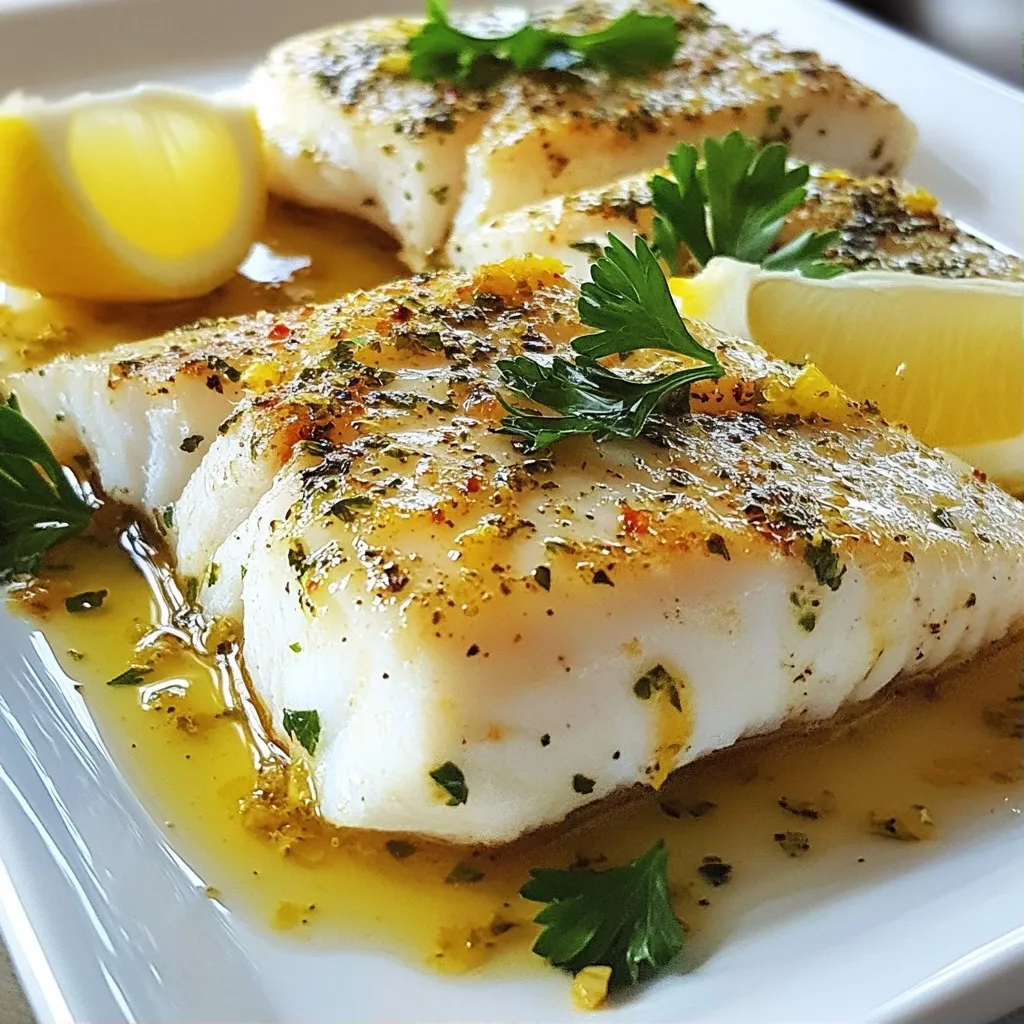
Are you ready to elevate your dinner game? My Tangy High Protein Baked Herb Fish Fillets are not just tasty; they're also packed with protein and flavor. Using simple ingredients like fresh fish, olive oil, and herbs, this dish comes together quickly. Whether you’re looking for a healthy option or a new family favorite, this recipe promises to impress. Let’s dive into the details and get cooking!
Why I Love This Recipe
- High in Protein: This baked fish recipe is a fantastic source of protein, making it a healthy choice for those looking to boost their protein intake.
- Tangy Flavor: The combination of lemon juice, zest, and Dijon mustard adds a refreshing tanginess that elevates the dish.
- Quick and Easy: With a prep time of just 15 minutes, this dish is perfect for busy weeknights when you want something nutritious without spending hours in the kitchen.
- Versatile Ingredients: This recipe allows for flexibility in the choice of fish, making it easy to adapt based on what's fresh or available.
Ingredients
Main Ingredients
- 4 fish fillets (cod, tilapia, or similar white fish)
- 2 tablespoons olive oil
- 2 tablespoons lemon juice
- Zest of 1 lemon
- 1 tablespoon Dijon mustard
- 2 cloves garlic, minced
- 1 teaspoon dried oregano
- 1 teaspoon dried thyme
- 1 teaspoon fresh parsley, chopped (plus more for garnish)
- Salt and pepper to taste
The main ingredients for Tangy High Protein Baked Herb Fish Fillets are simple yet flavorful. The fish fillets, like cod or tilapia, provide a tender and light base. Olive oil and lemon juice add a bright, tangy flavor. Don't forget the lemon zest for an extra zing!
The Dijon mustard gives a nice kick that pairs well with the herbs. Garlic, oregano, and thyme bring depth and warmth to the dish. Season with salt and pepper to taste for the best flavor.
Optional Garnishes
- Fresh parsley
- Lemon wedges
Optional garnishes elevate your dish. Fresh parsley adds a pop of color and freshness. Lemon wedges serve as a bright, tangy side to squeeze over the fish. These garnishes make your meal look appealing and enhance the tasting experience.
This recipe is a joy to make and share. Each ingredient plays a role in creating a delightful meal that is high in protein and full of flavor. Enjoy your cooking!
Step-by-Step Instructions
Preparing the Oven and Baking Dish
First, set your oven to 400°F (200°C). This temperature helps the fish cook well. Next, take a baking dish and line it with parchment paper. This step keeps the fish from sticking and makes cleanup easy.
Mixing the Marinade
Now, grab a small bowl. In it, mix together 2 tablespoons of olive oil, 2 tablespoons of lemon juice, and the zest of one lemon. Add in 1 tablespoon of Dijon mustard, 2 minced garlic cloves, 1 teaspoon of dried oregano, 1 teaspoon of dried thyme, and 1 teaspoon of chopped fresh parsley. Whisk these ingredients until they blend nicely. For the right marinade consistency, make sure it is smooth and well-mixed.
Marinating and Baking the Fish
Take your fish fillets and place them in the lined baking dish. Season both sides with salt and pepper. Now pour the herb mixture over the fillets, making sure they are fully coated. Let the fish sit and soak in the flavors for about 15 minutes. This time lets the fish absorb the tangy marinade.
When the time is up, bake the fish in your preheated oven for 12-15 minutes. The fish is done when it flakes easily with a fork. Keep an eye on it to avoid overcooking. After baking, let the fillets rest for a minute before serving. This step helps keep them juicy. Serve garnished with fresh parsley and lemon wedges for a bright touch.
Tips & Tricks
Selecting the Right Fish
When choosing fish for baking, I recommend cod or tilapia. These fish are mild and flaky. Freshness is key to great taste. Look for bright eyes and shiny skin. The fish should smell like the ocean, not fishy. If you press it, it should spring back.
Ensuring Flavor Infusion
Marinade timing is important for great flavor. Let your fish sit in the marinade for at least 15 minutes. This allows the herbs and tangy lemon to soak in. To boost flavor, you can score the fish lightly. This helps the marinade get deeper into the meat.
Cooking Techniques
To check for doneness, look for the fish to flake easily with a fork. If it does not, give it a few more minutes. Thicker fillets may need more time in the oven. Adjust baking time based on the thickness, usually 12-15 minutes works well. Remember, undercooked fish is better than overcooked fish!
Pro Tips
- Use Fresh Herbs: Fresh herbs can significantly enhance the flavor of your dish. If available, opt for fresh parsley instead of dried for a brighter taste.
- Marinate Longer: For even more flavor, consider marinating the fish fillets for up to an hour in the refrigerator before baking.
- Check for Doneness: Fish is cooked when it flakes easily with a fork and has an opaque appearance. Avoid overcooking to keep it moist and tender.
- Pair with Sides: This dish pairs wonderfully with steamed vegetables or a light salad to complement the tangy flavors of the fish.
Variations
Different Flavor Profiles
You can make this dish even better by changing the flavors. If you want heat, add spices like crushed red pepper or cayenne. A little goes a long way, so start small. For a different twist, try using fresh herbs like basil or dill instead of oregano and thyme. You can also mix in some spices like cumin or smoked paprika for a unique taste.
Alternative Cooking Methods
Baking is great, but you can also grill your fish. Just heat your grill to medium-high. Brush the fish with olive oil and place it on the grill. Cook for about 4-5 minutes on each side. If you prefer the stovetop, you can pan-sear the fillets. Heat a skillet over medium heat with a bit of olive oil. Cook the fillets for about 3-4 minutes per side until they are golden brown.
Serving Suggestions
Pair your fish with fresh veggies like asparagus or a simple salad. Quinoa or brown rice also makes a great side. For added flavor, drizzle some lemon butter sauce over the fish. You can also serve it with a tangy yogurt sauce or a classic tartar sauce for dipping. Enjoy your meal with lemon wedges for that extra zing!
Storage Info
Storing Leftovers
To keep your baked herb fish fillets fresh, follow these easy steps:
- Refrigeration: Store the fish in an airtight container. It stays good for 2-3 days in the fridge. Make sure it cools down first before sealing it up. This keeps it from getting soggy.
- Freezing: For longer storage, freeze the fish. Wrap each fillet in plastic wrap, then place it in a freezer-safe bag. It can last up to three months. When ready to eat, thaw it overnight in the fridge.
Reheating Tips
Reheating the fish correctly keeps it tasty and moist. Here’s how:
- Methods: Use an oven or a skillet for the best results. The oven warms evenly and keeps the texture nice. If using a skillet, add a little olive oil to prevent sticking.
- Times and Temperatures: Reheat in the oven at 350°F (175°C) for about 10-12 minutes. If using a skillet, heat on medium for about 5-7 minutes. Make sure it is hot all the way through before serving.
FAQs
Can I use frozen fish fillets?
Yes, you can use frozen fish fillets. Just remember that frozen fish may take longer to cook. I suggest adding an extra 5 minutes to your baking time. Check the fish to see if it is flaky and opaque. This will help ensure a nice texture.
How do I know when the fish is done?
You can tell the fish is done when it looks opaque and flakes easily with a fork. The inside should not be translucent. If you see the fish is white and breaks apart, it is ready to eat. Keep a close eye on it while baking to avoid overcooking.
What can I substitute for Dijon mustard?
If you don’t have Dijon mustard, try using yellow mustard or whole grain mustard. These will add a nice tang. You can also use a mix of mayo and vinegar for a creamy twist. Each option brings a unique flavor to your dish, so feel free to experiment!
Baking fish is simple and fun. We covered main ingredients, preparation, and flavor tips. Choosing fresh fish and a good marinade makes a big difference. You can try mixing flavors or use different cooking methods. Plus, storing leftovers properly keeps your meal fresh. Feel confident in your skills; with practice, you’ll serve delicious fish every time. Enjoy the process and experiment with new ideas!